Assembly jigs
They hold components in place during assembly, screwing or bonding. Shaped from the part's CAD model.
FDM 3D printing
From prototype to production-line jig: we print in engineering filaments, including carbon- and glass-fibre-filled grades, and, on request, in a high-performance material such as PPS-CF.
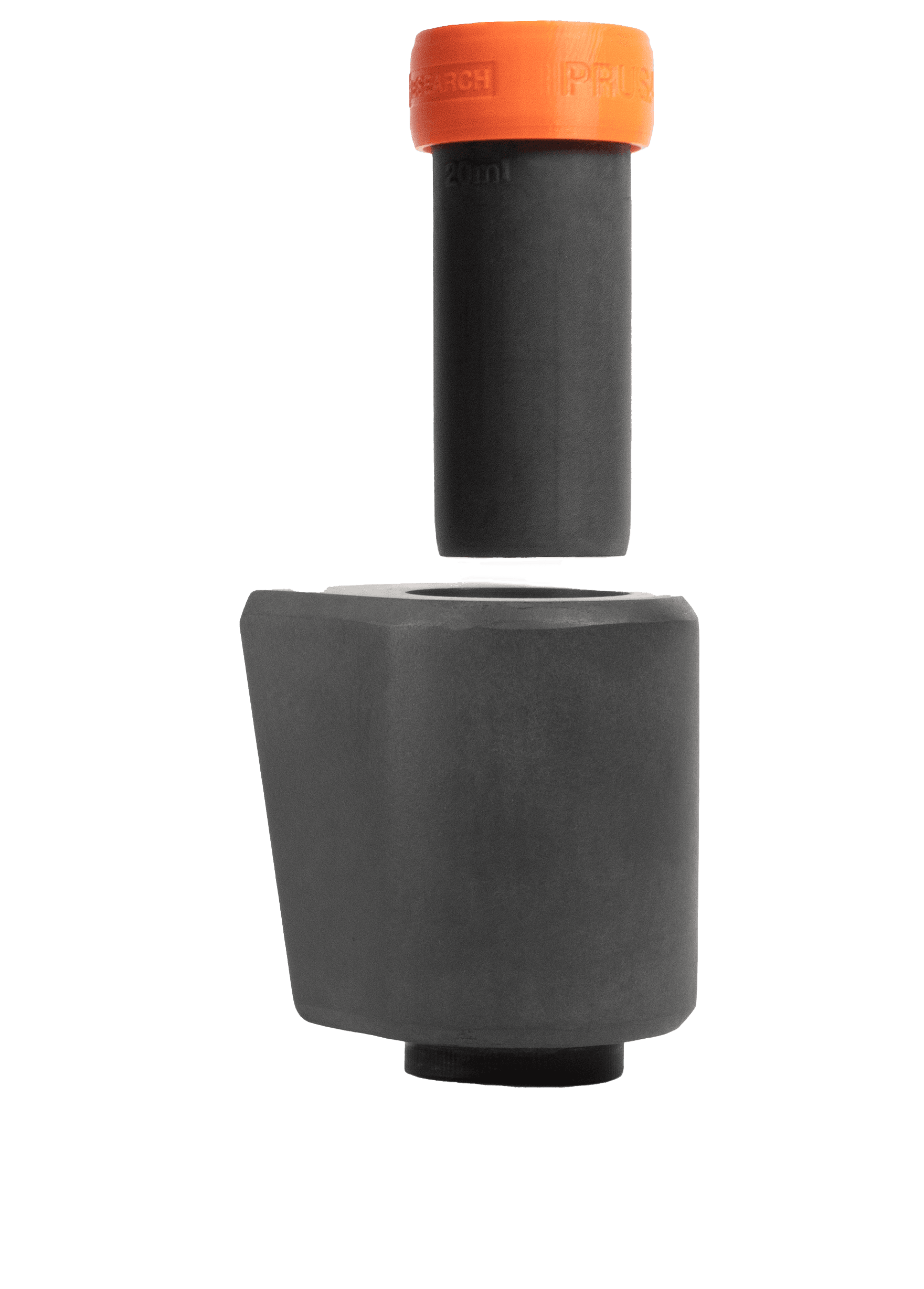
Jigs and fixtures
We design and print custom jigs and fixtures for assembly, inspection and production. They cost less than machining and can be remade quickly when the part changes.
They hold components in place during assembly, screwing or bonding. Shaped from the part's CAD model.
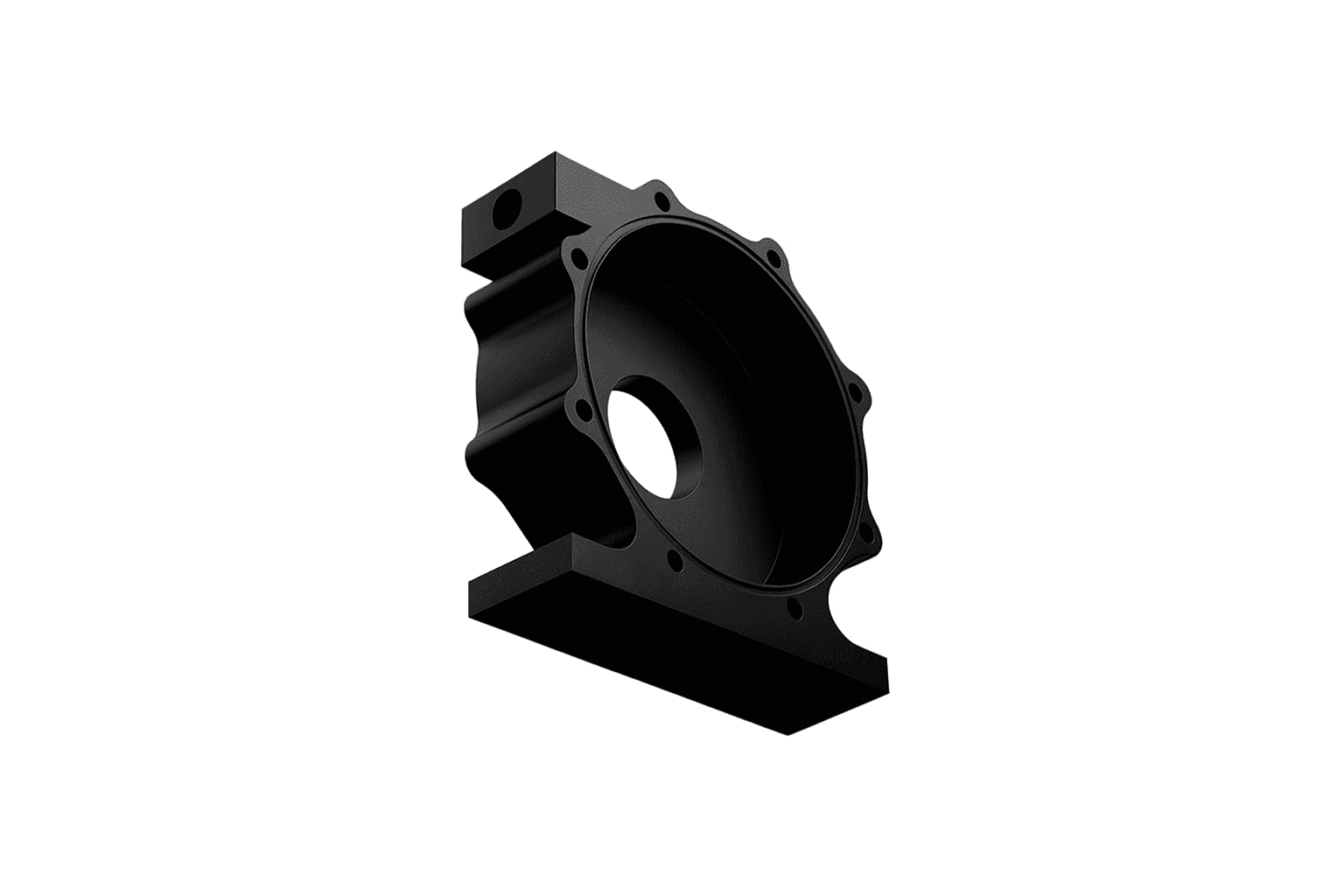
Go/no-go checks and verification of shapes and positions right at the line.
Precise references for drilling, riveting or marking in exactly the same spot every time.
Nests, supports, spacers, guards and robot gripper fingers: lightweight and made to measure.
You send us the part
The component's STEP file or a drawing, and you tell us how the jig will be used.
We design it with you
We propose the shape, material and inserts; you approve before printing.
We print and deliver it
Ready to use, in multiple copies if needed for all your workstations.
Materials
More than twenty filaments, from basic grades to fibre-filled ones. Not sure which to choose? Tell us where the part will be used and we'll recommend the right one.
Prototypes and cosmetic parts
For prototypes, covers, brackets and parts not exposed to harsh operating conditions.
Heat, outdoor use, safety
Resistance to temperature and UV, self-extinguishing and flexible grades.
Stiffness and stability
Carbon or glass fibre: stiff, dimensionally stable, ideal for jigs and fixtures.
On request
For very high temperatures and aggressive chemicals. We assess the part and send you a custom quote.
General-purpose, engineering and fibre-filled materials are priced instantly in the online quote tool. PPS-CF is quoted individually.
Compare materials ›Isotropic and anisotropic
An FDM (filament) part is anisotropic: it is stronger along the layers than across them. That is why build orientation is part of the design.
XY along the layers · Z between the layers
FDM · filament
The part is built layer by layer. Along the layers (XY) it is strong; across the layers (Z), interlayer adhesion is the weak point.
PA6-CF: tensile strength 109 MPa along the layers, 54 MPa between the layers (Polymaker datasheet).
We orient the part in the machine so that the load runs along the layers.
XY along the layers · Z between the layers
SLS · powder
The powder is fused throughout the volume, with no deposited filament: properties are very similar in every direction.
PA12: same tensile strength (50 MPa); slightly lower elongation at break in Z (6% vs 11%), Formlabs datasheet.
The part can be oriented as needed for accuracy and to fit more parts in one build.
XY along the layers · Z between the layers
MSLA · resin
The resin layers bond chemically to one another during curing: the part behaves like a single block.
Resins behave the same in all directions after full curing.
Ideal for fine detail; less impact-resistant than nylon and composites.
Process
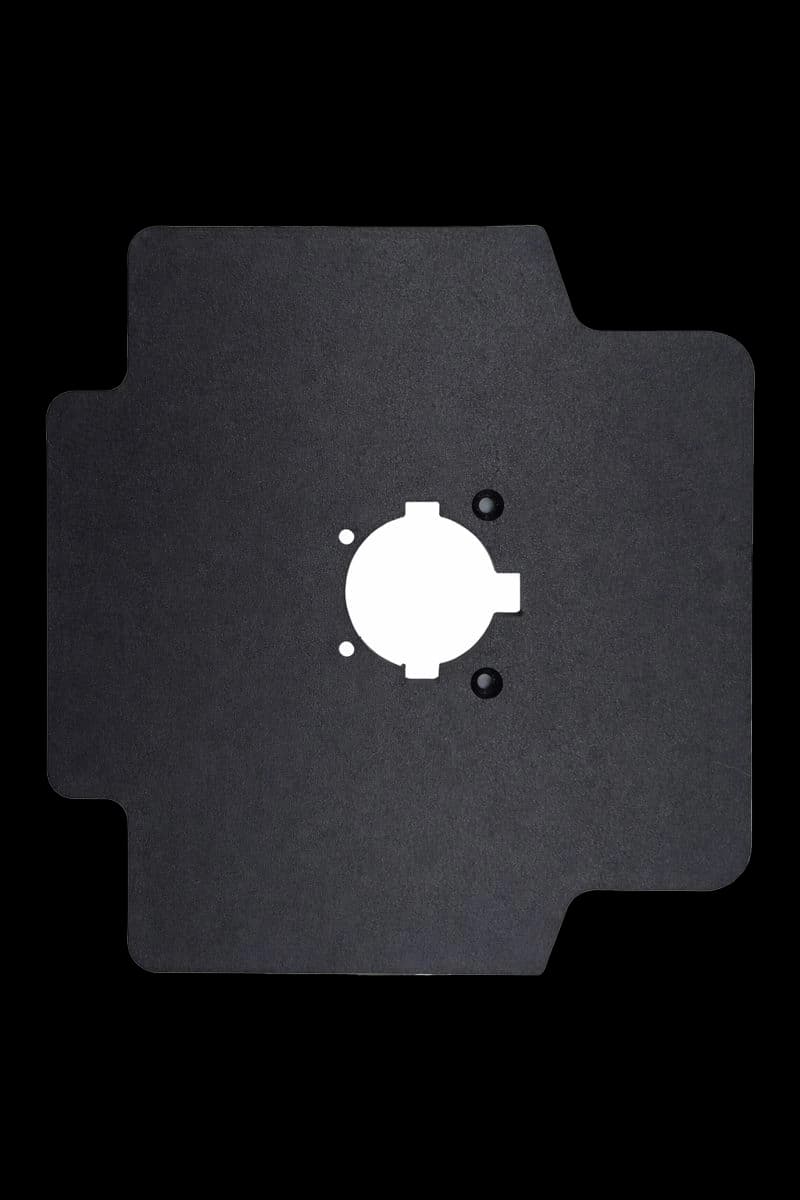
Every file is oriented and prepared for maximum strength in the direction the part is loaded, with supports kept to a minimum. Engineering polymers and filled materials are printed in an enclosed chamber, for stable parts without warping.
Choose your sector: we’ll show you the applications and the right material.
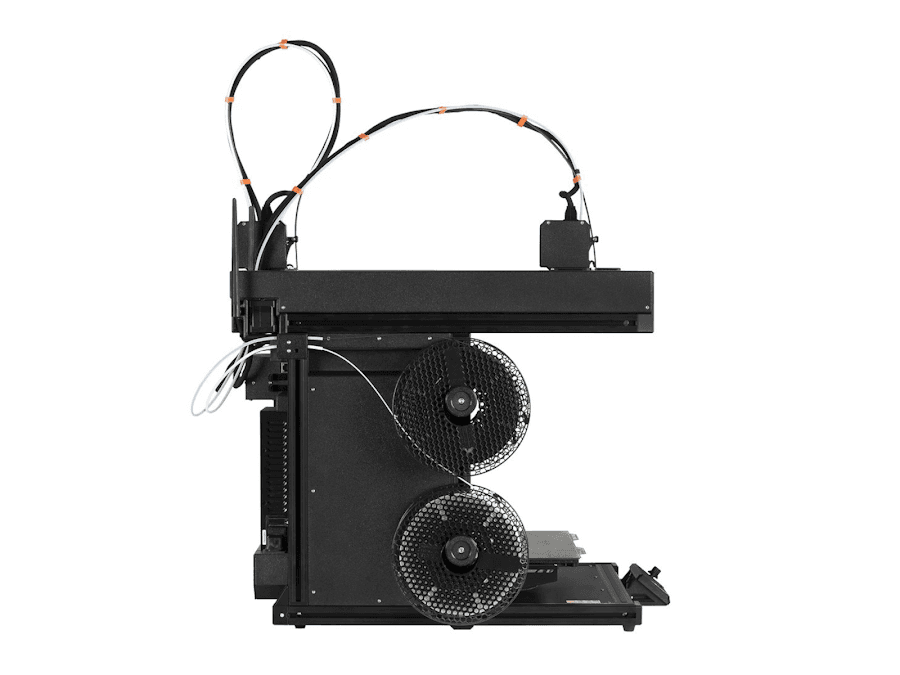
From prototype to ongoing supply, with consistent quality and reliable lead times.
Prusa CORE One, CORE One L and Prusa XL.
Up to 360 × 360 × 360 mm. Larger parts: custom quote.
From 0.05 to 0.30 mm depending on the level of detail required.
± 0.5 mm or ± 0.5% of the dimension.
Jigs and fixtures, functional prototypes, spare parts, small batches.
FDM quote
Engineering filament — large formats and speciality materials. Upload your file or email us for a technical review.
FDM technology guide
FDM deposits molten filament layer by layer. It is the most versatile solution for rapid prototypes, covers, tooling and functional parts in PETG, filled nylon, PC and engineering materials.
It works very well when you need large parts, fast iterations or a balance between cost and mechanical properties.
At a glance
Workflow
CAD file
Upload a STEP or STL with the quantity you need.
Material
Choose filament and infill according to the application.
FDM printing
In-house production on CORE / XL machines.
Delivery
Finished part, or with additional finishes.
FDM quote
Indicative price for filament, quantity and lead times.